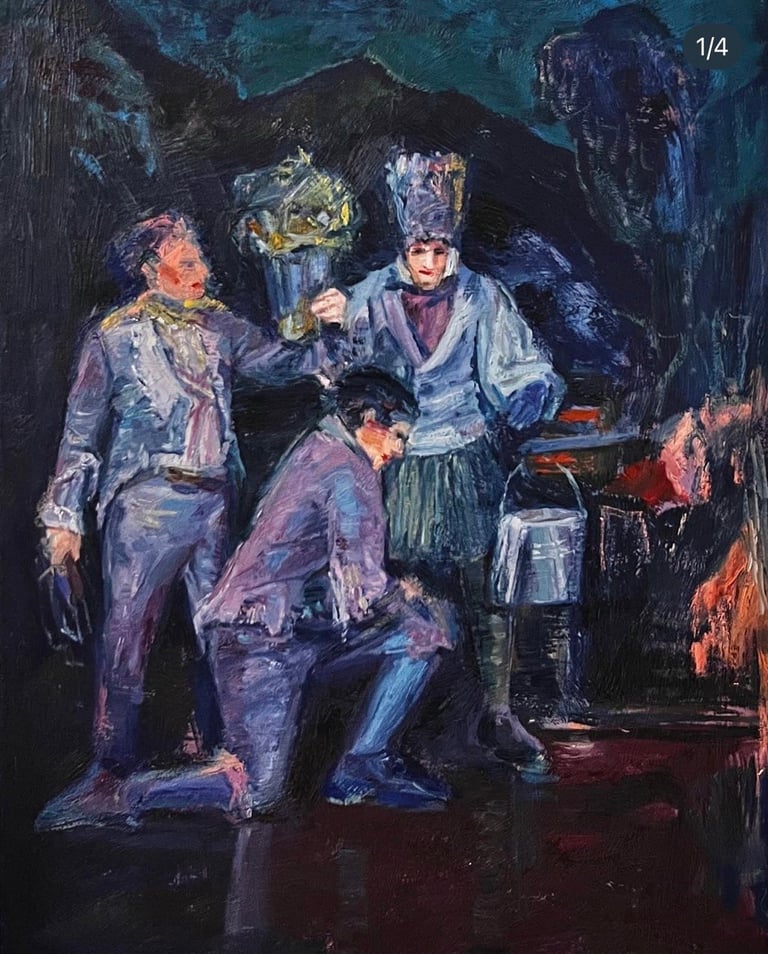
Loebatakan
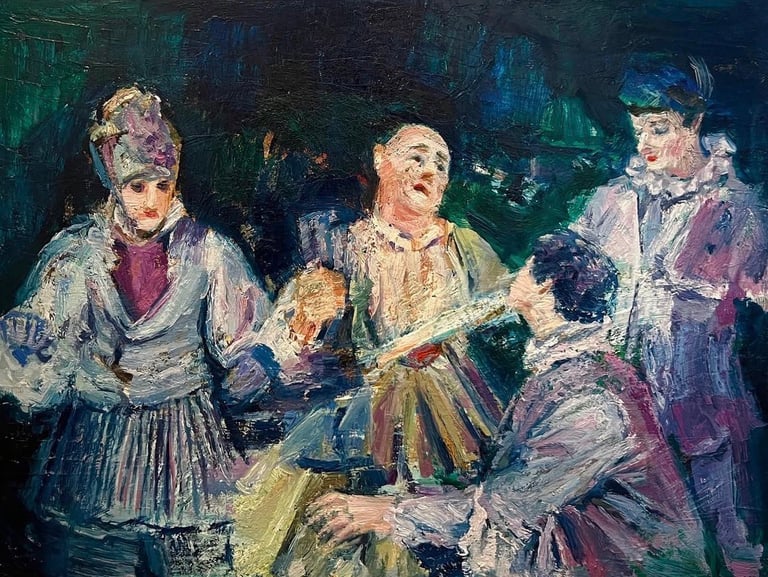
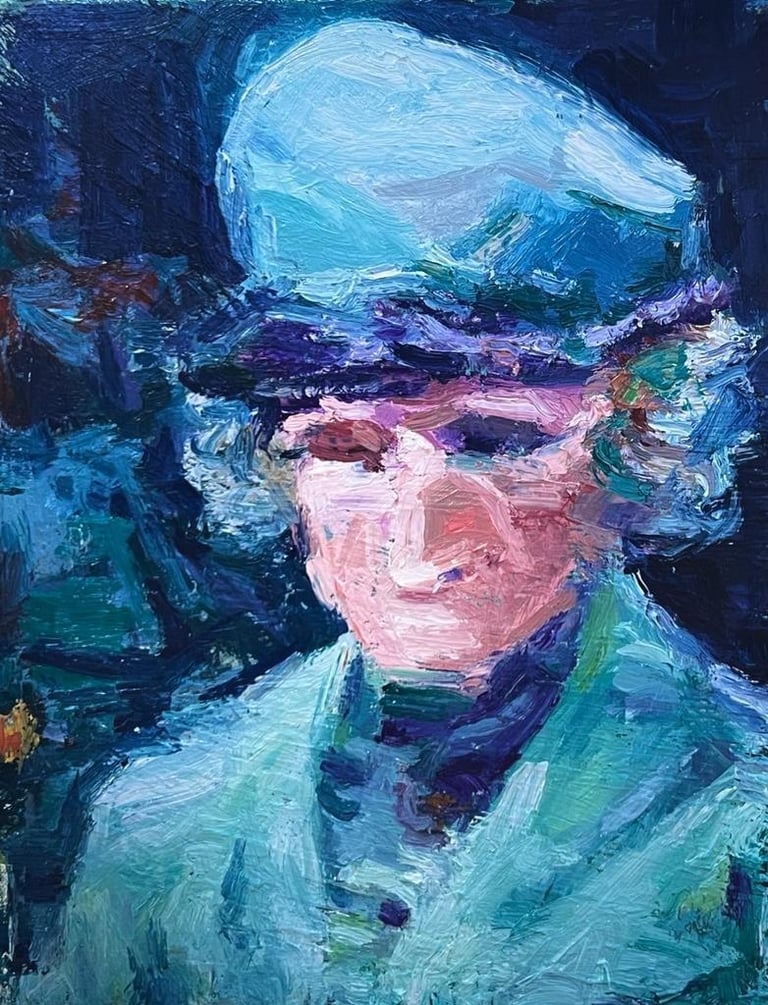
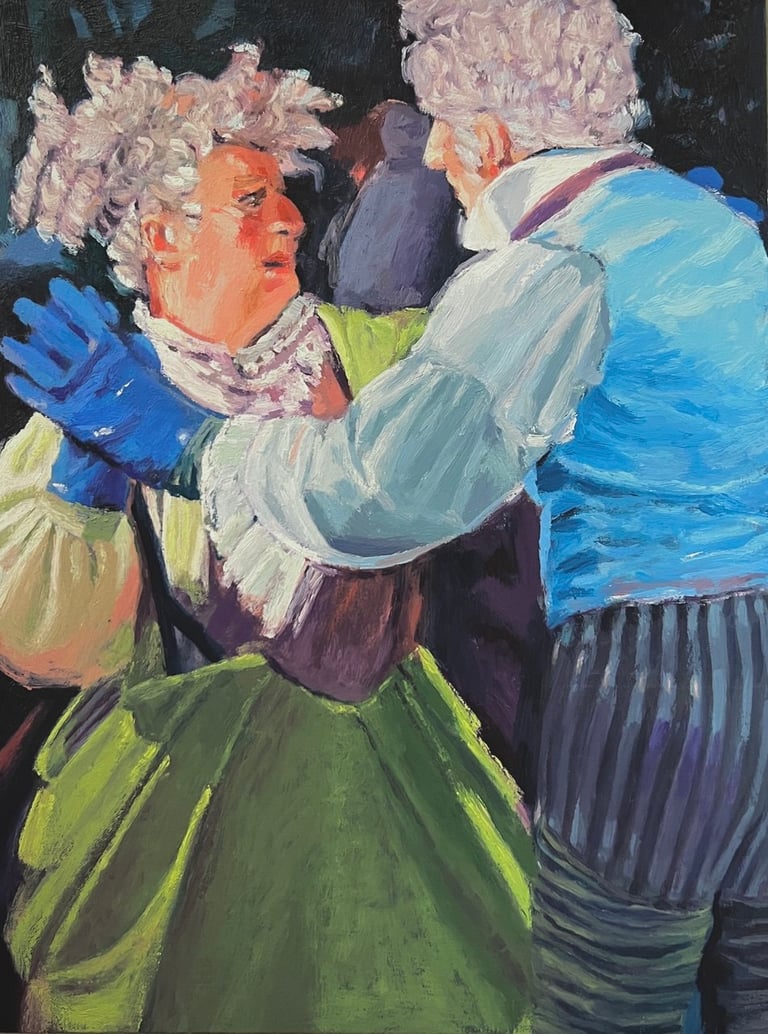
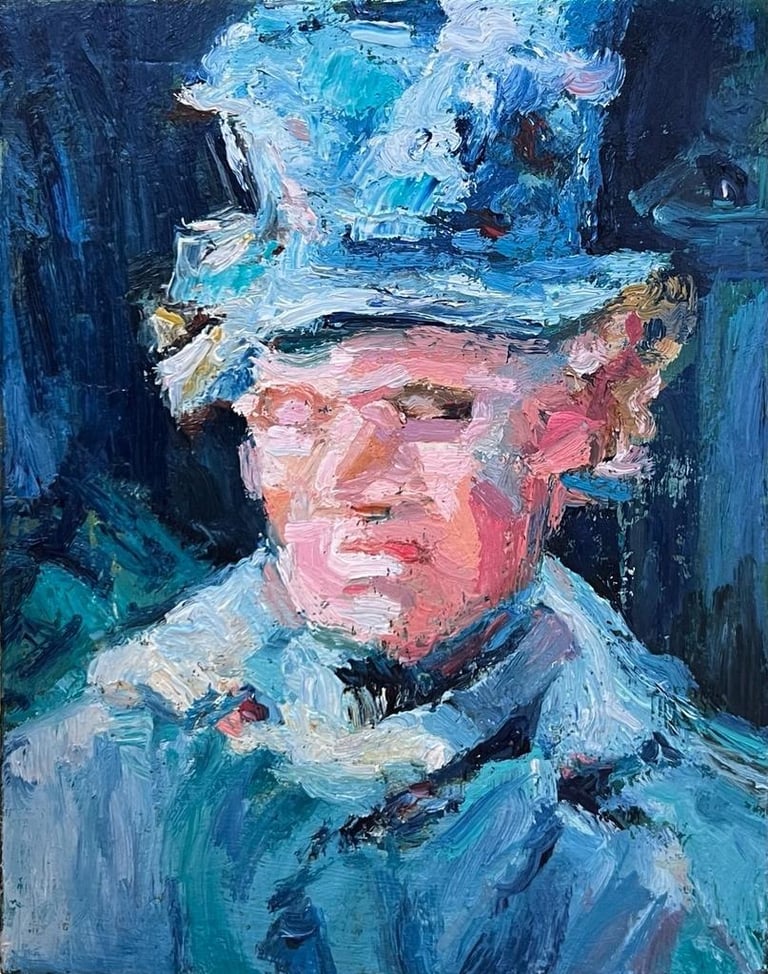
In loebatakan, the figure appears suspended between theatrical presence and psychological erosion. Drawing from the visual memory of performance, masquerade, and collective ritual, the paintings destabilize fixed identity through fragmented gesture, unstable light, and painterly distortion. The body is treated less as portrait and more as a site of projection — a surface where intimacy, performance, vulnerability, and social roles collapse into one another.
The series operates within a space between figuration and painterly dissolution. Loose brushwork, compressed spatial structures, and chromatic dissonance interrupt narrative clarity, allowing emotional residue to become more important than descriptive realism. Theatrical costumes and staged interactions function not as historical references, but as visual devices through which questions of embodiment, spectatorship, and constructed identity emerge.
Rather than documenting specific individuals, these works examine how identity is continuously performed, negotiated, and fragmented within collective space. The paintings engage ideas related to performativity, affect, and the instability of the subject often discussed in contemporary critical theory. Here, painting becomes less an act of representation and more a process of psychological excavation — where memory, fiction, and perception remain unresolved.